Working sessions that end with a decision
Choose a format by outcome, evidence, authority, time and uncertainty—then use an operational agenda, exercises and artifacts.
Start with the result
What must be different when the work ends?
A session is a temporary working system. Its value is an observable change in a decision, interaction or next work cycle.
Make a strategic choice
Choose a direction, trade-offs, resources and assumptions.
Close one complex decision
Compare options and keep dissent and uncertainty visible.
Allocate priorities
Fit initiatives inside a real resource constraint.
Diagnose a recurring problem
Agree the mechanism before selecting actions.
Align functions
Repair dependencies, handoffs and decision rights.
Set up a new team
Create purpose, boundaries and an operating contract.
Change how a team works
Diagnose a work mechanism and run a transfer cycle.
Learn from experience
Change the next attempt using actual evidence.
One connected system
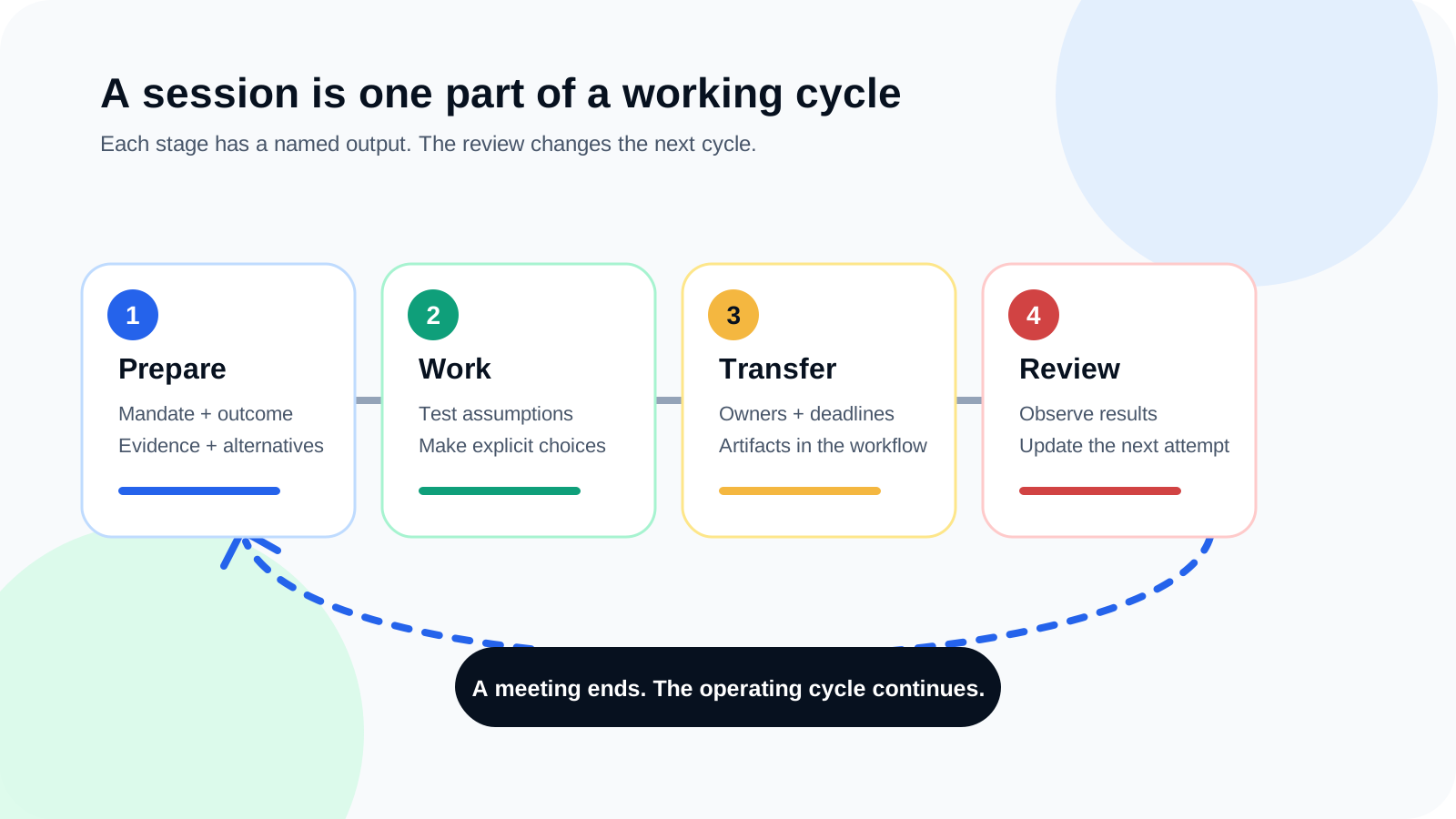
Before, during and after carry equal weight
Evidence and authority shape the agenda; live work creates artifacts; follow-up tests whether anything changed.
Session playbooks
Choose a complete working architecture with preparation, roles, agenda, artifacts and follow-up.
Exercise library
Use an exercise only when its observable behaviour, debrief, output and transfer fit the session.
Session templates
Copy or print structured artifacts that remain useful after the meeting ends.
A session is not always the answer
Do not run one when authority is absent, evidence is too weak, a personal conflict needs mediation, or follow-up cannot happen.
Session Finder
Not sure which format fits?
Answer eight structured questions. The recommendation is deterministic, explainable and can tell you not to run the planned session.